
Brand managers
Which sectors to activate next quarter
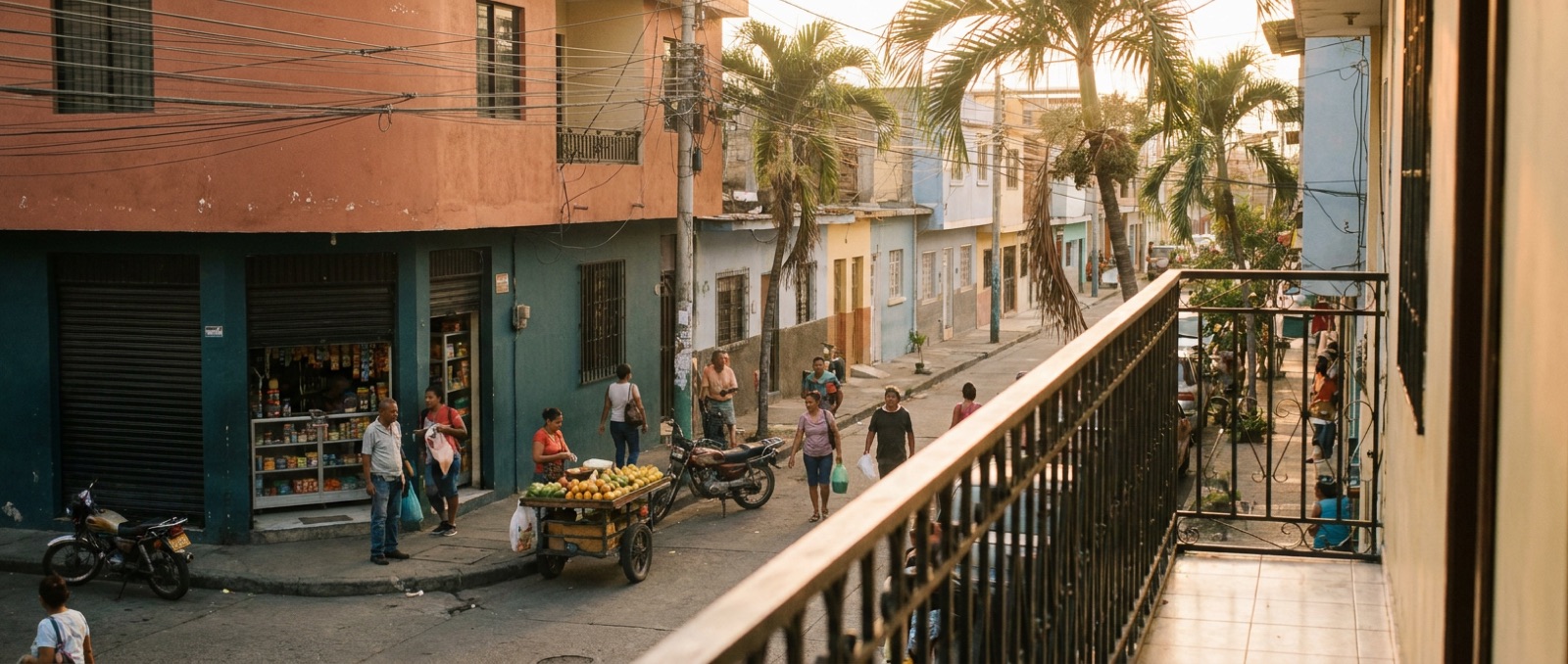
Compare the sectors in each distributor's territory against the city, and see where outlets are opening before the sales numbers move.
Quarterly sector bookCalleviva reads every shop's Google Maps listing and the date of every review, then shows you which neighbourhoods are gaining life and which are going quiet. Draw a sector or a delivery route across the honeycomb and get its pulse, with an honest range.
A single block rarely says much. A sector you paint across a few hexagons usually does. Watch the walkthrough below, then try it yourself on real Guayaquil data.
We read each shop's Maps profile and when each review was written. No review text, no names of reviewers.
Places fall into hexagons at six sizes, from a district to a single block. Zoom in and out like a map.
With a finger or a mouse, paint the hexagons your route crosses. Erase by starting on a painted one.
How the typical place is doing over the last 12 months, the range we can vouch for, and how it compares with the rest of the city.
Where few people write reviews, we say so, and read the sector by its outlets instead of guessing.
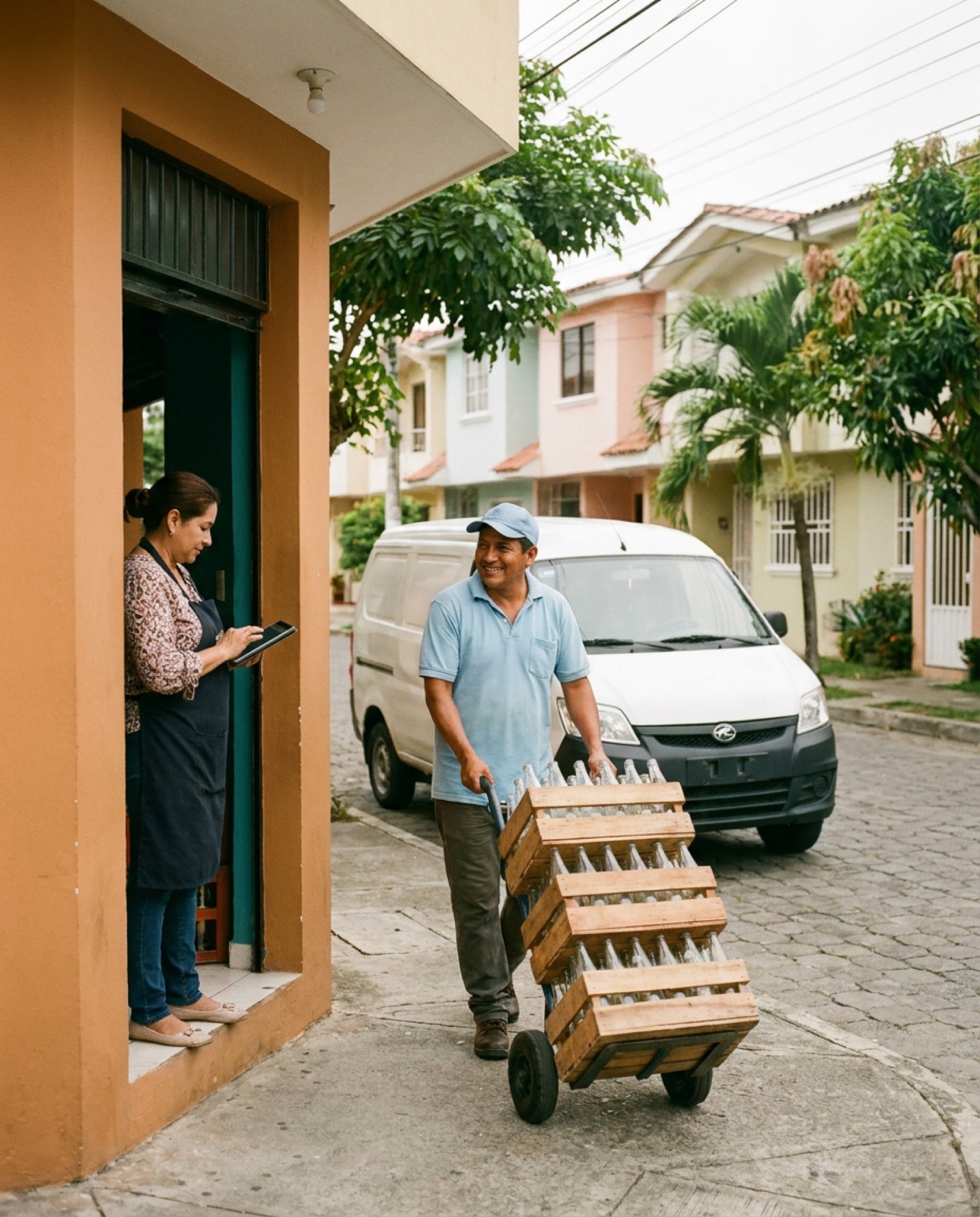
No one sends a truck for one tienda. A route lives on a few hundred outlets and keeps its monthly number because new shops replace the ones that close. Your own orders show the clients you have. Calleviva shows the sector around them: whether its pool of outlets is refilling, how its activity compares with the city, and what is happening where your trucks no longer go.
People who decide where to sell, lend, invest or host, and need a sector's pulse a few times a year rather than every day.
Compare the sectors in each distributor's territory against the city, and see where outlets are opening before the sales numbers move.
Quarterly sector bookPaint the hexagons a route crosses, see how many outlets it holds and whether they are refilling, and get a list of new shops to visit.
Quarterly, per route
Spot sectors where new places keep opening and activity beats the city, before rents follow. Check the street you are about to lease on.
Per deal, or yearly city map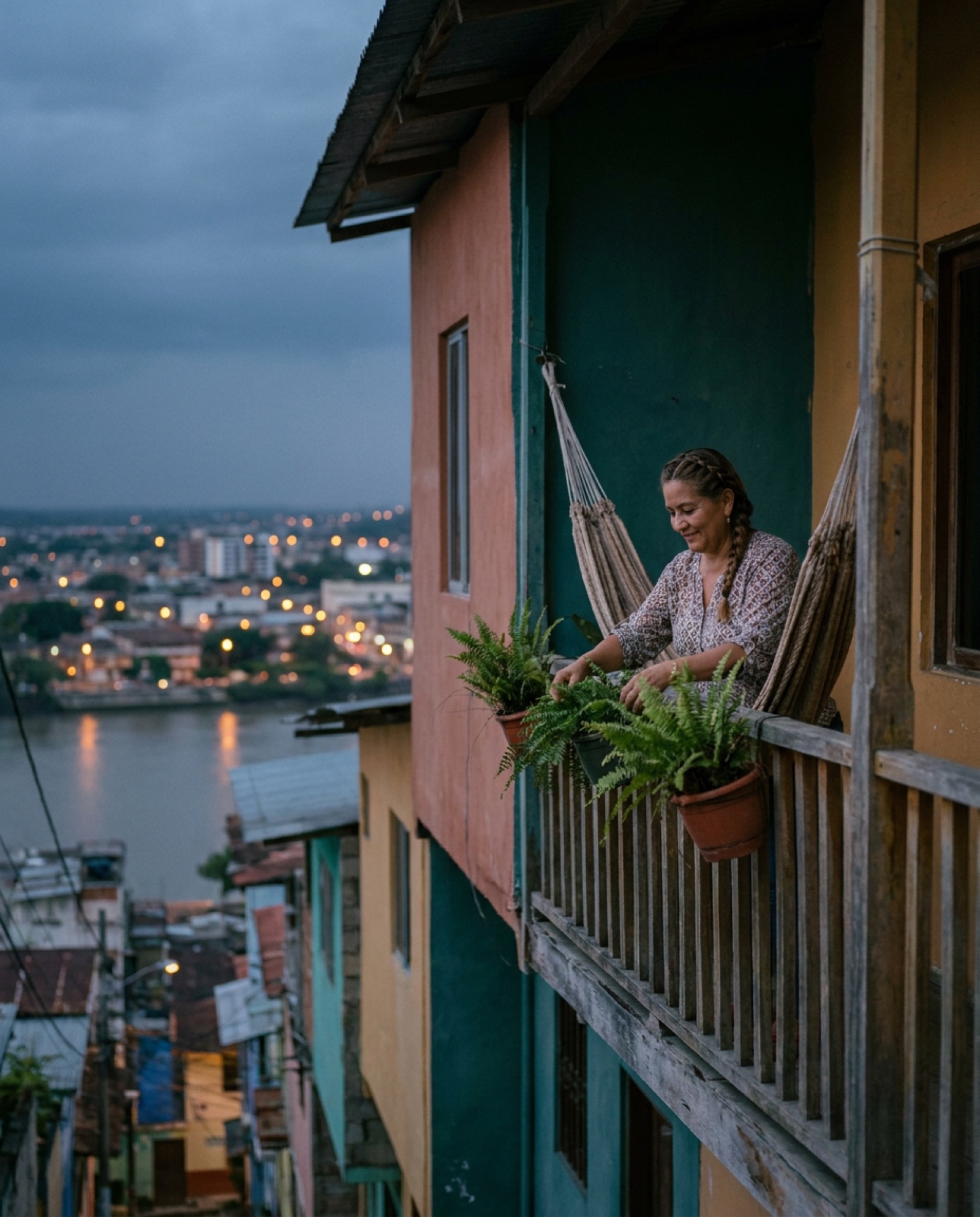
See the cafés, bars and restaurants around your listing gaining reviews, and where the next lively pocket is forming before you buy or furnish.
Yearly, or before a purchase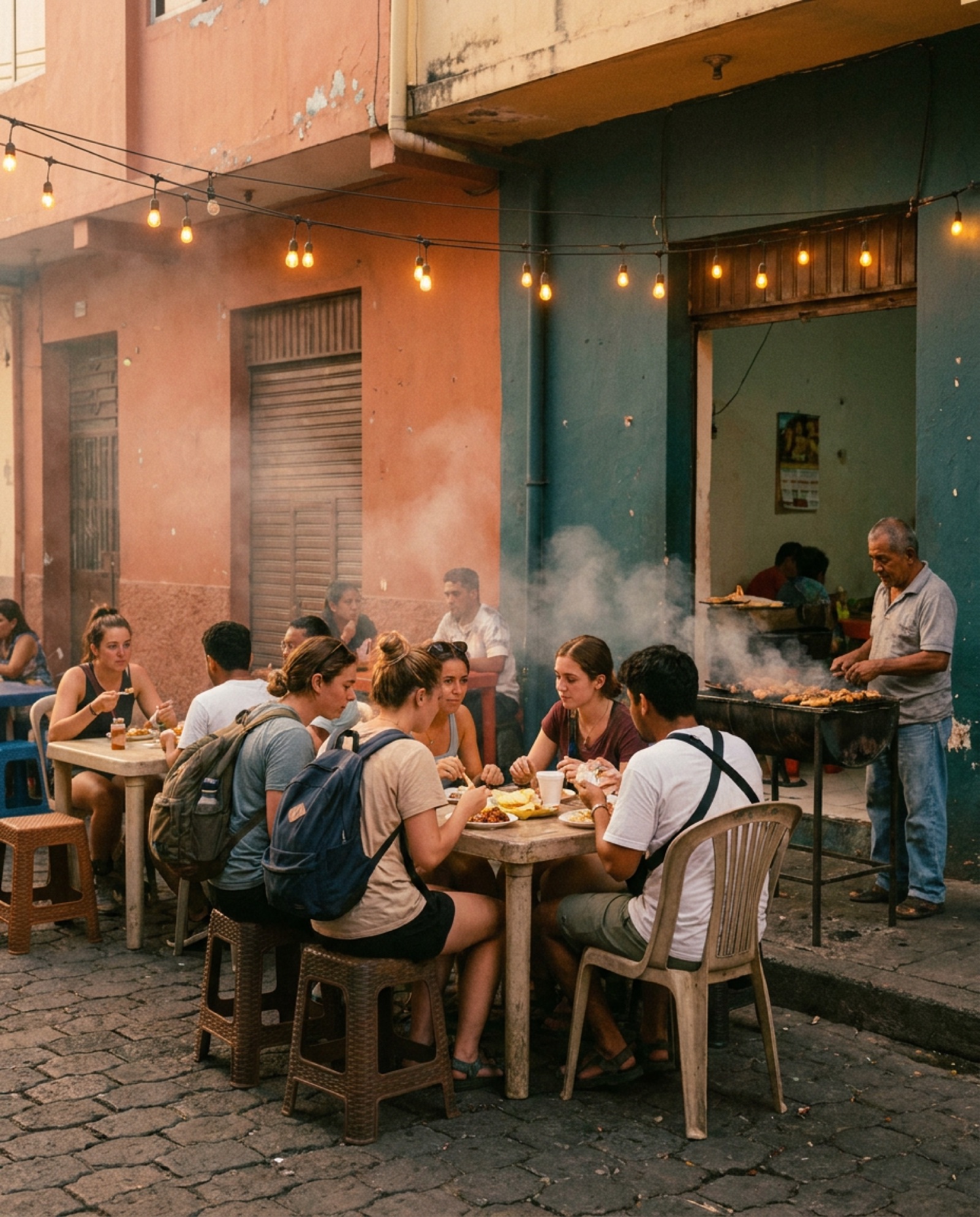
Clusters of new places whose reviews climb fast point to the next food street or night spot. Build routes around them while they are still local.
Each season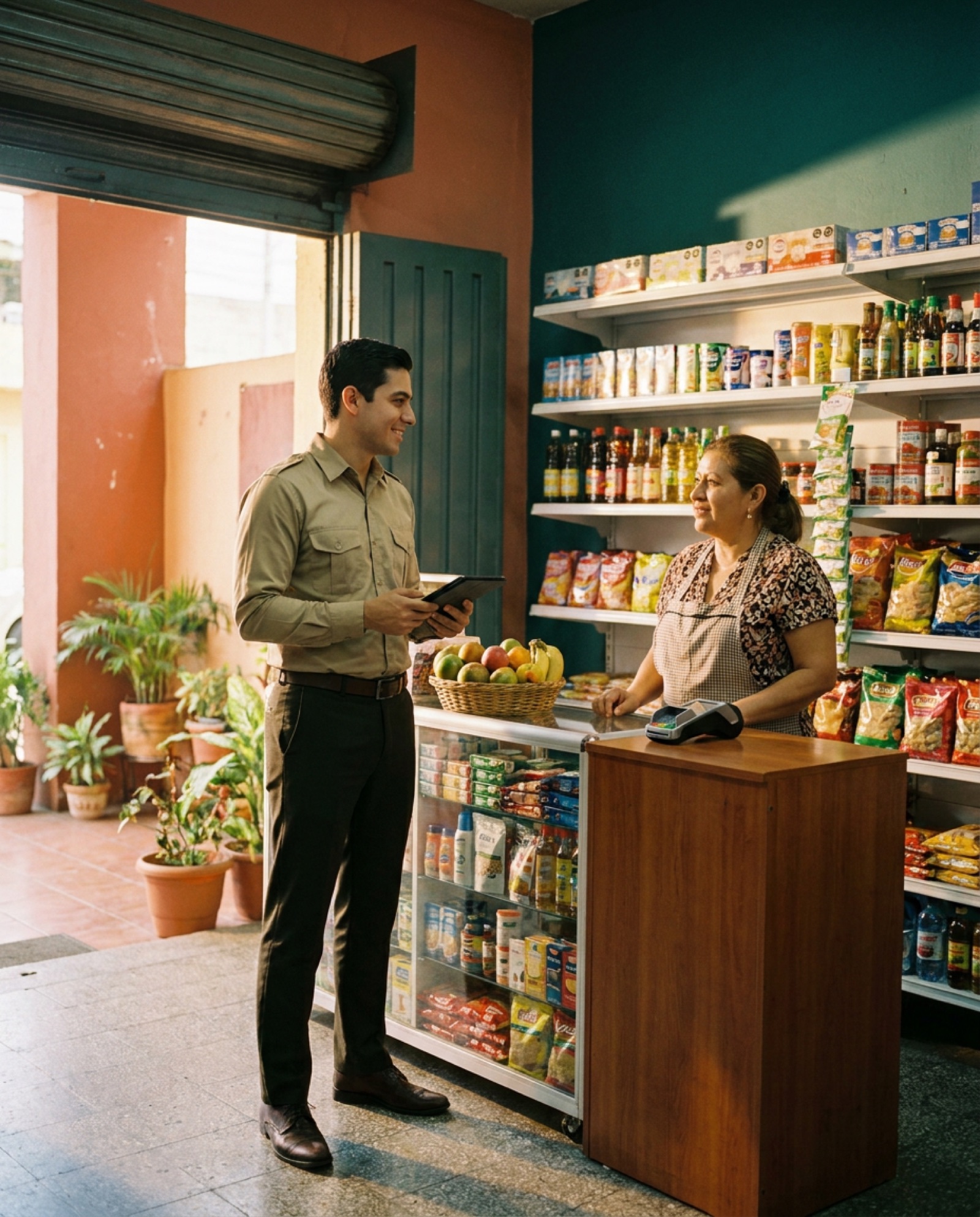
Know whether the sector around a borrower's shop is growing, holding or draining, and where shops are closing faster than they open.
Quarterly portfolio checkCalleviva was tested on 12 scans of Guayaquil before a single customer saw it. These are the rules it keeps.
Split one sector's places into two random halves, and Calleviva calls them different about 5% of the time, as a 95% range should. The typical place leads, so one review campaign can't carry a sector.
A single block almost never has enough reviews. You pool hexagons into a sector, and the map tells you when it can judge it. Everything is compared with the city, so Google's own growth cancels out.
A place silent far beyond its own pace stayed silent 36% of the time in our backtests. So it is a shop to check on the next visit, never a closure. In barrios where few people review, we count outlets instead.
Most decisions about a street are made a few times a year. Plans will follow that rhythm. Prices are announced when the open beta opens.
One email when the open beta starts, and one if your city is added. Nothing else.